
The Thrill of Uncertainty
The allure of casino gaming often lies in the excitement of unpredictability. Players are drawn to the potential for winning, and the randomness of games like slots and roulette creates a tantalizing uncertainty. This element of surprise not only stimulates the brain’s reward system but also activates the release of dopamine, the neurotransmitter associated with pleasure and satisfaction. For instance, when players consider the potential of new online casinos, they often feel encouraged to explore further as they are incentivized by thrilling opportunities and unique games. As players experience wins, even if small, they are often compelled to return in pursuit of bigger jackpots.
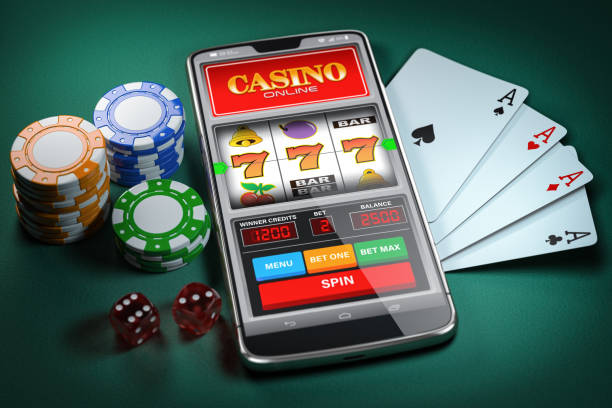
Furthermore, the thrill of uncertainty can lead to a behavior known as variable reinforcement. Unlike consistent rewards, variable reinforcement offers sporadic payouts, which can heighten a player’s motivation and engagement. This psychological phenomenon contributes significantly to why individuals frequent casinos — the possibility of a life-changing win can override logical reasoning, leading them back to the gaming floor time and time again.
The Social Aspect of Gaming
Casinos are not just places for solitary gambling; they are vibrant social hubs. The camaraderie built around tables, whether at card games or slots, creates a communal atmosphere that many find appealing. Engaging with fellow players fosters a sense of belonging, and the shared excitement of wins enhances the experience. This social interaction often keeps players returning, not just for the games, but for the friendships they cultivate within the lively environment.
Moreover, the social aspect can also amplify the emotional highs and lows associated with gaming. Celebrating a win with others or lamenting a near miss can deepen the emotional investment in the gaming experience. The shared stories and connections formed while playing can make the experience more enriching and memorable, solidifying the desire to return to the casino.
Design and Environment Manipulations
The design of casinos plays a crucial role in attracting and retaining players. From the vibrant colors to the sounds of ringing slots, every element is meticulously crafted to create an immersive experience. Casinos often utilize psychological tricks, such as dim lighting and strategically placed exits, which can disorient players and encourage them to stay longer than intended. This carefully curated environment enhances the excitement and can create a euphoric state, drawing players back for more.
In addition to visual and auditory cues, the physical setup of games is designed to create a sense of comfort and familiarity. High-energy environments are paired with low-cost drinks and complimentary services, making it easy for players to lose track of time. The ambiance itself becomes part of the allure, providing a sensory experience that is difficult to replicate outside the casino setting.
The Chase for Losses
Another significant psychological factor at play in casino gaming is the phenomenon of loss-chasing. When players lose money, they often feel compelled to continue gambling in an attempt to recover their losses. This behavior can create a cycle that leads to continued engagement, regardless of the financial impact. The hope of making up for losses can be a powerful motivator, pushing individuals to return to the gaming tables even after significant setbacks.
Additionally, the feeling of control that players sometimes believe they possess, even in games that are purely luck-based, can contribute to this cycle. Players may convince themselves that their next bet could change their fortunes, perpetuating a cycle of risk-taking and gambling that keeps them coming back for more. This aspect of gambling psychology can lead to problematic behavior, but it is also a central reason many find themselves drawn back to casinos.

Resources for Responsible Gaming
While the excitement of gaming can be incredibly enticing, it’s essential to recognize the importance of responsible gaming practices. Understanding the psychology behind gambling can help individuals make informed decisions about their gaming habits. There are organizations and resources available that provide guidance on maintaining a healthy relationship with gambling, ensuring that gaming remains a source of entertainment rather than a pathway to potential challenges.
By promoting awareness and education on the psychological aspects of casino gaming, individuals can better navigate their experiences. Resources dedicated to responsible gaming can empower players to approach their gaming habits with caution, helping them enjoy the thrill of the casino while safeguarding their well-being.
Recent Comments